
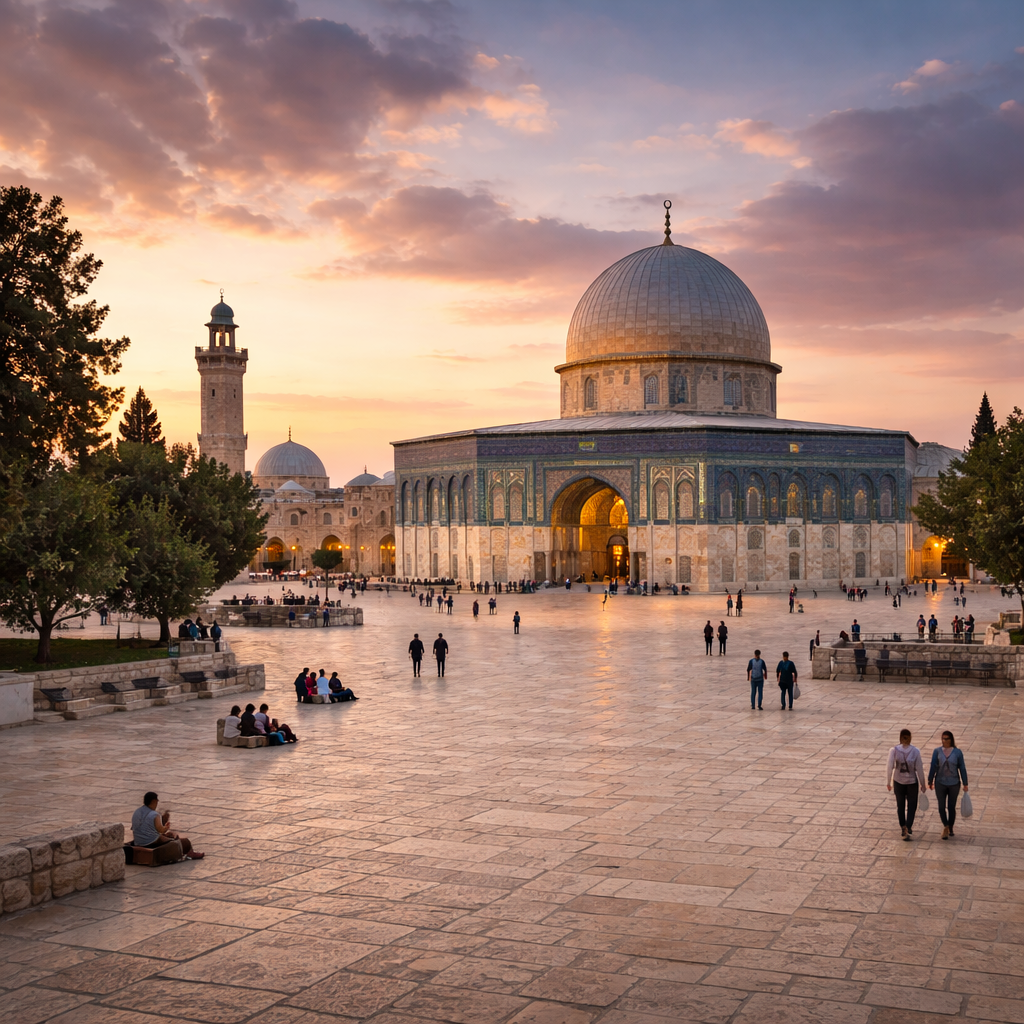
What Is Laylatul Qadr (ليلة القدر)?
Laylatul Qadr means “The Night of Decree” or “The Night of Power.” It is the night when:
-
The Qur’an was first revealed
-
Allah ﷻ decrees the affairs of the coming year
-
Angels descend in great numbers
-
Worship is rewarded more than a thousand months
Qur’anic Evidence
“Laylatul Qadr is better than a thousand months.”
(Surah Al-Qadr 97:3)
That is over 83 years of worship—in a single night.
When Is Laylatul Qadr?
-
It occurs in the last ten nights of Ramadan
-
Most likely on the odd nights: 21st, 23rd, 25th, 27th, or 29th
-
The 27th night is widely regarded as the strongest possibility, but not guaranteed
📌 Wisdom: Allah concealed the exact night so believers would strive throughout the last ten nights.
Signs of Laylatul Qadr (Not Guaranteed but Reported)
-
Calm, peaceful night
-
Neither hot nor cold
-
Strong sense of tranquility
-
Sunrise the next morning appears soft, without harsh rays
⚠️ These signs are not conditions—absence of signs does not mean the night is not Laylatul Qadr.
What to Do on Laylatul Qadr (Highly Recommended Acts)
1. Night Prayer (Qiyām / Tahajjud)
-
Pray sincerely, even if only two rak‘ahs
-
Lengthen sujood and make heartfelt du‘ā’
📖 “Whoever stands in prayer on Laylatul Qadr with faith and hope of reward, all previous sins are forgiven.”
— (Bukhari & Muslim)
2. Recite the Qur’an
-
Read, listen, or reflect
-
Even a few verses with understanding are powerful
3. Make Abundant Du‘ā’
The most recommended du‘ā’:
اللَّهُمَّ إِنَّكَ عَفُوٌّ تُحِبُّ الْعَفْوَ فَاعْفُ عَنِّي
Meaning:
“O Allah, You are Most Forgiving, and You love forgiveness—so forgive me.”
4. Dhikr & Istighfār
-
SubḥānAllāh
-
Alḥamdulillāh
-
Allāhu Akbar
-
Astaghfirullāh
5. Charity (Ṣadaqah)
-
Giving charity on Laylatul Qadr equals charity for a lifetime
-
Even small amounts carry immense reward
What Is Iʿtikāf (الاعتكاف)?
Iʿtikāf means:
Secluding oneself in the mosque with the intention of worshipping Allah alone.
It is a Sunnah Mu’akkadah (confirmed Sunnah) practiced by the Prophet ﷺ every Ramadan during the last ten days.
Purpose of Iʿtikāf
-
Complete spiritual reset
-
Detachment from worldly distractions
-
Maximum focus on worship
-
Seeking Laylatul Qadr
Where and When Is Iʿtikāf Performed?
Place
-
Men: In a mosque where congregational prayer is established
-
Women: Preferably in a mosque (according to many scholars), or designated prayer area at home (per some opinions)
Time
-
Begins before Maghrib on the 20th of Ramadan
-
Ends at Eid moon sighting / Maghrib of the last day
Essential Acts During Iʿtikāf
-
Salah (obligatory + voluntary)
-
Qur’an recitation
-
Du‘ā’
-
Dhikr
-
Reflection and repentance
-
Silence where possible
What Is Prohibited During Iʿtikāf?
❌ Leaving the mosque without a valid reason
❌ Sexual relations or intimacy
❌ Unnecessary socializing
❌ Business dealings
❌ Entertainment, idle talk, phone misuse
📌 Valid reasons to leave:
-
Using the restroom
-
Ghusl or wudu if no facilities
-
Necessary food (if unavailable inside)
What Is Permissible During Iʿtikāf?
✔ Sleeping in the mosque
✔ Eating and drinking
✔ Quiet conversation when necessary
✔ Using basic phone functions if needed (avoid distractions)
What Is Preferable (Best Practices)
🌙 Reduce phone usage
🌙 Keep a personal worship schedule
🌙 Focus on quality, not quantity
🌙 Avoid debates and arguments
🌙 Maintain cleanliness and manners
Common Mistakes
-
Treating Iʿtikāf as social time
-
Only worshipping on the 27th night
-
Ignoring family rights without preparation
-
Overburdening oneself beyond capacity
Spiritual Wisdom Behind Laylatul Qadr & Iʿtikāf
These acts teach us:
-
Sincerity over show
-
Consistency over bursts
-
Silence over noise
-
Allah over everything else
They are a training ground for the soul—leaving Ramadan transformed, not just forgiven.
Final Reflection
You may not know which night is Laylatul Qadr, but Allah knows your intention. Even small, sincere deeds during these nights can outweigh a lifetime of worship.
“And your Lord is never unaware of what you do.” (Qur’an 6:132)